
In today’s hyper-connected world, fiber optic networks are the physical backbone of our digital lives. When a cable degrades or breaks, the downtime can be catastrophic. For years, Optical Time-Domain Reflectometer (OTDR) monitoring systems have been the standard defense for finding and fixing these faults. But if you have ever managed one of these legacy systems, you know they come with their own massive set of headaches.
FirstFiber Technologies is changing the game by stripping away the bloat and replacing hardware with intelligence. Here is how they are fixing the oldest problems in fiber optic monitoring.
The Problem: The Complexity of Traditional Systems
Historically, setting up an OTDR optical cable monitoring system meant building a complex, multi-piece puzzle. A traditional setup doesn’t just need an OTDR module; it requires a whole ecosystem of hardware to function,
The Hardware Bloat
You have to wire together the core OTDR module, a central control module, an optical switch module to manage different fiber lines, and various remote modules.
Deployment Nightmares
Because the system is so bulky and fragmented, physical deployment is incredibly cumbersome. It takes up significant rack space and requires intricate cabling just to get the system online.
The Expertise Bottleneck
Making all these separate modules talk to each other requires highly specialized training. Troubleshooting a false positive or configuring the optical switches isn’t something a junior technician can easily handle.
The result? Traditional systems are expensive to buy, painful to install, and difficult to maintain.
The Solution: FirstFiber Technologies’ Streamlined Approach
FirstFiber Technologies looked at the tangled mess of traditional setups and asked: What if we could replace the hardware with better software?
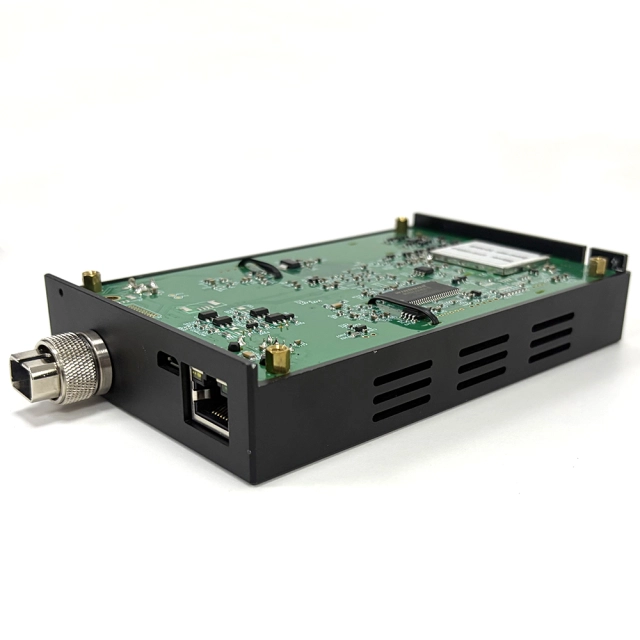
Their solution completely eliminates the need for separate control, switch, and remote modules. Instead, FirstFiber delivers a monitoring system based entirely on a single, powerful OTDR module paired with advanced algorithms.
By shifting the heavy lifting from physical hardware to intelligent software, the system can dynamically manage, test, and analyze the fiber network directly from the core module without needing external hardware switches to route the testing signals.
The Advantages of the FirstFiber Technologies OTDR Fiber Monitoring System
Moving from a fragmented hardware system to an algorithm-driven single module provides massive benefits for network operators:
| Traditional Systems | FirstFiber Technologies | |
| System Architecture | Cluttered (OTDR + Control + Switch + Remote) | Streamlined (Single OTDR Module) |
| Deployment Time | Slow and labor-intensive | Plug-and-play simplicity |
| Space Required | High (takes up significant rack space) | Minimal (compact footprint) |
| Operation | Requires highly specialized engineering staff | Automated by advanced, user-friendly algorithms |
| Maintenance Cost | High (multiple points of hardware failure) | Low (fewer physical parts mean fewer breakdowns) |
If you are tired of wrestling with outdated, overly complex monitoring hardware, it is time to let software do the heavy lifting. FirstFiber Technologies isn’t just selling an OTDR system; they are selling a smoother, smarter way to protect your network. Contact FirstFiber Technologies Now.
I will explain how FirstFiber Technologies’ advanced algorithm works in next Blog.

1 thought on “How FirstFiber Technologies is Simplifying OTDR Monitoring System”